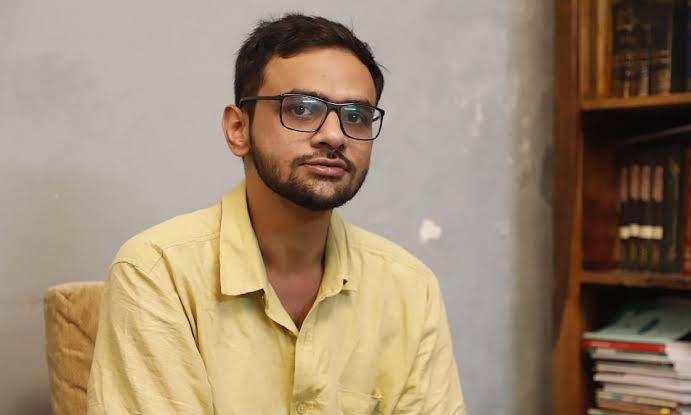
The Delhi High Court on Friday requested the Delhi Police’s stand regarding activist Umar Khalid’s bail plea under the Unlawful Activities (Prevention) Act (UAPA). This plea pertains to the allegations surrounding a broader conspiracy linked to the February 2020 riots in north-east Delhi that resulted in the death of 53 people and injuries to over 700.
A bench comprising Justices Prathiba M Singh and Vikas Mahajan issued a notice and directed the police to file their response within two weeks. This move marks another step in Khalid’s legal battle, which has seen him submit multiple bail applications since his arrest in September 2020.
Khalid’s counsel highlighted that this situation marks his third attempt to seek bail following the trial court’s dismissal of his previous applications. He is also pursuing interim bail in this case. The bench noted that it will hear his plea on August 27, coinciding with the bail request of co-accused Sharjeel Imam.
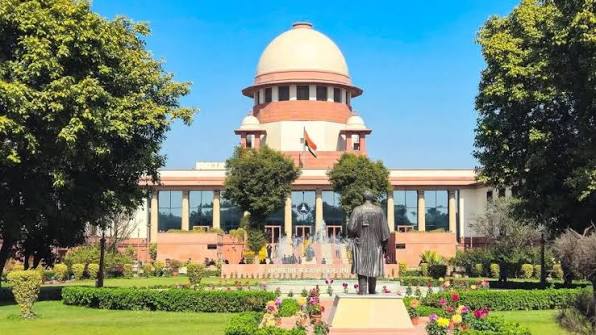
In its previous rulings, the trial court, on July 4, rejected Khalid’s bail application, adhering to directives from the Supreme Court issued on January 5, which constrained the court’s ability to grant bail. Additional Solicitor General S V Raju, representing the state, underlined that Imam’s plea faced similar rejections, suggesting both cases could be assessed collectively.
Khalid finds himself implicated in an extensive investigation led by the Delhi Police’s Special Cell. He faces charges of orchestrating the February riots, which sparked widespread violence amid protests against the Citizenship (Amendment) Act (CAA) of 2019 and the proposed National Register of Citizens (NRC).
Other notable figures, including activists Sharjeel Imam, Khalid Saifi, and former AAP councillor Tahir Hussain, have also faced scrutiny for their alleged roles in the broader conspiracy linked to the riots.
The recent rejection on July 4 identified a prima facie case against Khalid and Imam under the UAPA. A preceding verdict by the Supreme Court acknowledged the hierarchical nature of participation in the alleged conspiracy, differentiating between the accused involved.
As the case progresses, all eyes remain on the upcoming hearing, where the Delhi High Court aims to address the complexities surrounding Khalid’s detainment and the serious charges he faces. Observers await the response from the police, which could significantly impact the future trajectory of this high-profile case.