The Supreme Court of India on Wednesday declined to urgently hear a plea related to the police action against student protesters during the Cockroach Janta Party’s (CJP) demonstration at Jantar Mantar. The protest highlighted serious allegations surrounding the NEET-UG 2026 paper leak.
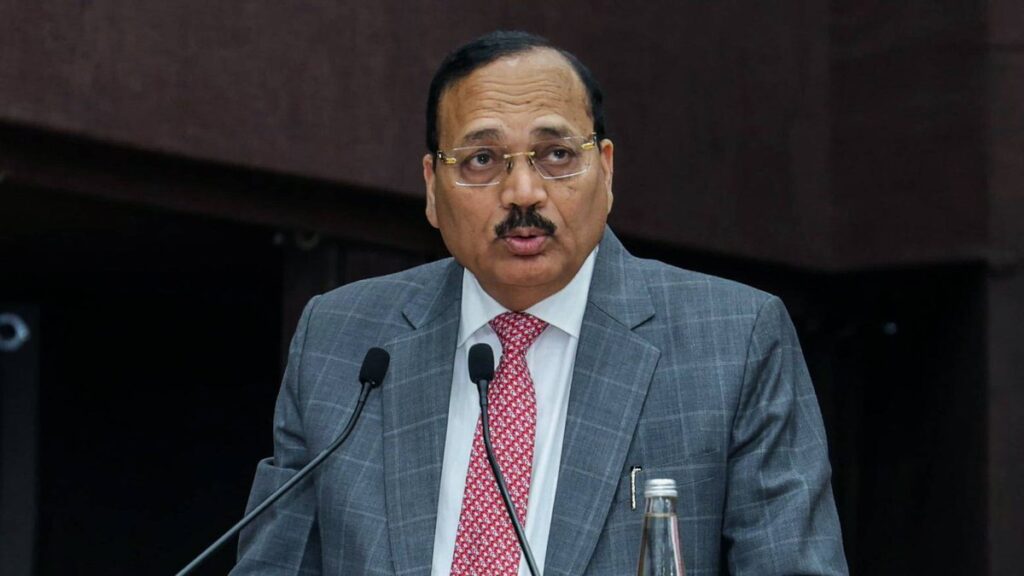
This decision came after the issue was presented before a bench led by Chief Justice of India Surya Kant, where the petitioner’s counsel urged for an immediate hearing. The Chief Justice responded sharply, stating, “Don’t waste our time, and don’t waste your time.”
The lawyer argued that the students were raising critical concerns about public issues, including the alleged NEET-UG 2026 paper leak, the overall conduct of the examination, and pressing demands for reforms in the National Testing Agency (NTA).
As the counsel referenced videos allegedly showing police action against the demonstrators, Chief Justice Kant dismissed this evidence, saying, “We are not interested in videos; we don’t have time to watch.” The bench ultimately did not entertain the request for urgent proceedings.
This significant development follows a similar ruling from the Delhi High Court, which also declined to give urgent attention to a plea concerning the police actions during the protests. Such refusals raise questions about the judiciary’s engagement with matters affecting student rights and academic integrity.
The CJP has actively led protests against the alleged NEET-UG 2026 paper leak, demanding the resignation of Union Education Minister Dharmendra Pradhan and advocating for major reforms in the examination system. The protests grew more intense with a recent march toward Parliament, during which clashes erupted between the protesters and police. These incidents sparked allegations of excessive police force and resulted in multiple detentions.
While the Supreme Court’s observations specifically addressed the urgency of the appeal, they did not equate to a dismissal of the substantive claims made by the petitioners concerning the alleged police excesses during the protests.
In recent months, student protests have gained momentum across several states, emphasizing the need for transparency and accountability within the education sector. The NEET examinations have frequently faced scrutiny, with students voicing concerns over fairness and the integrity of the evaluation process.
This decision by the Supreme Court highlights a critical juncture in India’s educational landscape. While judicial intervention is essential in such disputes, the court’s prioritization of urgent matters raises concerns regarding systemic issues causing unrest among students.
As the situation unfolds, experts suggest that more proactive measures from both judicial authorities and the government are necessary to address the grievances of concerned students effectively and mitigate potential escalating protests.