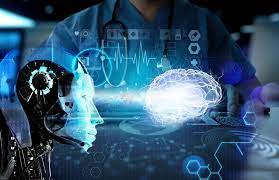
The healthcare industry is on the cusp of a remarkable transformation, driven by advancements in technology and a shifting paradigm towards patient-centric care. As we peer into the future, it becomes evident that healthcare will undergo significant changes that have the potential to revolutionize the way we perceive and experience medical services. From artificial intelligence to telemedicine, let us explore the promising future of healthcare and the opportunities it presents.
- Artificial Intelligence (AI) in Healthcare:
AI has already started reshaping the healthcare landscape, streamlining processes, improving diagnostics, and enhancing patient outcomes. Machine learning algorithms can analyze vast amounts of medical data, enabling early disease detection, personalized treatment plans, and predictive analytics. AI-powered virtual assistants can provide patients with personalized health recommendations and support physicians in decision-making, leading to more accurate diagnoses and efficient treatment.
- Telemedicine and Remote Healthcare:
The advent of telemedicine has brought healthcare services directly to patients’ fingertips, eliminating geographical barriers and enhancing accessibility. With the help of video consultations, remote monitoring devices, and wearable technology, individuals can receive expert medical advice and monitor their health from the comfort of their homes. This not only improves convenience but also reduces the burden on healthcare facilities and enables better management of chronic conditions.
- Internet of Medical Things (IoMT):
IoMT refers to the network of medical devices and sensors connected through the internet, allowing seamless data sharing and real-time monitoring. These interconnected devices can track vital signs, collect patient data, and provide physicians with valuable insights for accurate diagnoses and personalized treatments. IoMT also facilitates remote patient monitoring, reducing hospital readmissions and improving overall healthcare outcomes.
- Precision Medicine:
The future of healthcare lies in personalized treatments tailored to an individual’s unique genetic makeup, lifestyle, and environmental factors. Precision medicine utilizes genomic data, advanced analytics, and AI algorithms to develop targeted therapies for various diseases. By understanding the specific characteristics of patients, healthcare professionals can provide more effective treatments with fewer side effects, leading to better patient outcomes.
- Blockchain and Data Security:
The integration of blockchain technology in healthcare can revolutionize data management and security. Blockchain offers a decentralized and immutable ledger system that enhances privacy, security, and interoperability of health records. Patients have greater control over their data, while healthcare providers can access comprehensive and accurate medical histories, leading to improved care coordination and reduced medical errors.
Conclusion:
The future of healthcare holds tremendous promise, powered by transformative technologies and a patient-centric approach. As AI, telemedicine, IoMT, precision medicine, and blockchain continue to advance, healthcare will become more accessible, efficient, and personalized. Embracing these innovations requires collaboration between healthcare providers, technology developers, policymakers, and patients. By harnessing the potential of these advancements, we can usher in an era of improved healthcare outcomes, reduced costs, and a more proactive and preventive approach to well-being. Let us embrace the future of healthcare and work together to create a healthier and more sustainable world.